

Quick answer
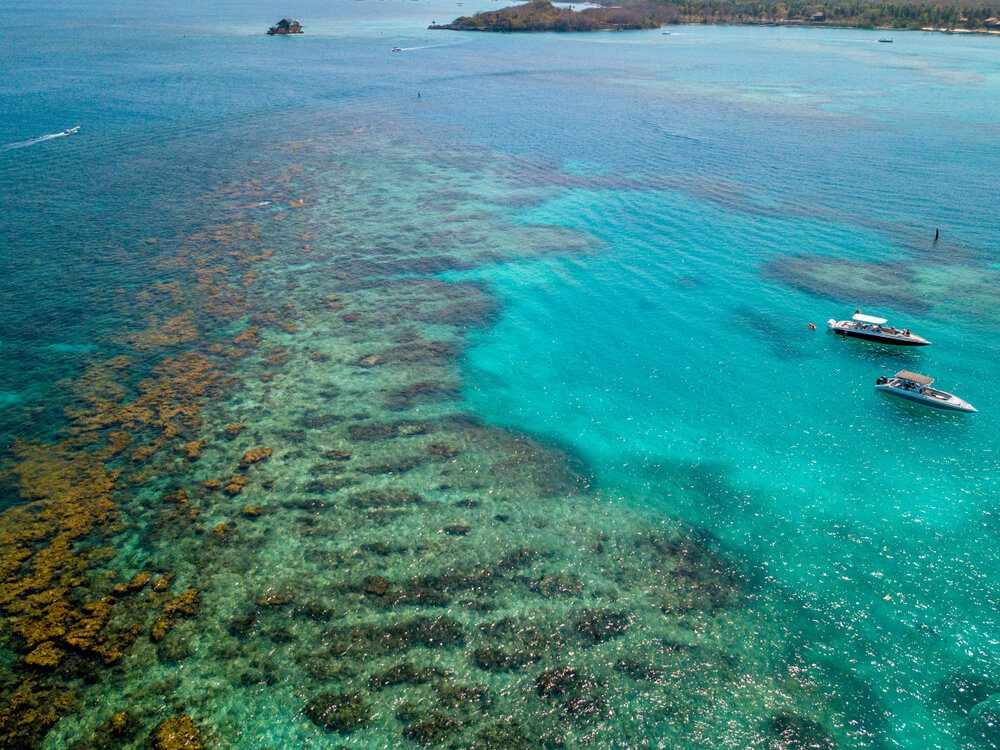
Scuba diving playa blanca panama centers on nearshore reefs accessible directly from the beach, with visibility ranging from 15 to 40 feet depending on tide and season. Morning high-tide windows between 08:00 and 12:00 typically deliver clearer water, while afternoon sediment suspension reduces visibility. The beach remains free to access year-round, with no gate fees or entry permits required for shore diving.
The reef structure at Playa Blanca runs parallel to the shoreline at depths between 20 and 50 feet, a shallow coral garden populated by sergeant majors, parrotfish, and occasional spotted eagle rays during migratory months. Unlike protected marine reserves further west along the Azuero Peninsula, this stretch of coast sees steady boat traffic and beachgoer activity, factors that influence both fish behavior and sediment clarity. Tidal amplitude along Panama's Pacific coast exceeds 12 feet during spring tides, a hydraulic reality that dictates dive windows. High tide pushes cleaner offshore water across the reef, while low tide exposes inner sections and stirs sand from the shallows. Divers entering during the first two hours of a flooding tide encounter the best visibility, a pattern locals refer to as "the clear window." Afternoon sessions often contend with suspended particulate from wave action and increased boat wake. Scuba diving playa blanca panama operates without formal dive operators stationed on the beach itself; divers typically arrange tank fills and boat charters through shops in Farallón or Río Hato, five to ten minutes inland. Shore entries remain straightforward for certified divers comfortable navigating surge and moderate currents, though the absence of permanent markers or buoys requires solid navigation skills and a dive compass. The reef's shallow profile makes it suitable for Open Water-level certification, but current strength during ebb cycles demands attentiveness. Seasonal variation matters less for water temperature—thermoclines hold steady near 80°F year-round—and more for plankton blooms. December through April sees drier weather and reduced runoff from the interior highlands, conditions that translate to 30- to 40-foot visibility on favorable days. May through November brings afternoon rain cells that cloud nearshore zones and cut visibility to 15 feet or less within hours of a storm. Marine life diversity peaks during the transition months of April and November, when nutrient pulses attract schooling jacks and the occasional hammerhead passing through deeper channels offshore.
“Tidal amplitude exceeding 12 feet dictates visibility windows along this Pacific coast, with flooding tides delivering the clearest water across the reef.”
Optimal Timing for Scuba Diving Playa Blanca Panama
The best time for scuba diving in Playa Blanca is during the morning arrival window of 08:00–12:00. This period aligns with tidal cycles that frequently provide the most favorable water visibility for underwater exploration.
Dry Season (Jan–Apr)
Moderate crowdsWarm and dry; 28°C–32°C
Low rainfall results in clearer water conditions and steadier currents.
Wet Season (May–Dec)
Low crowdsHumid with periodic rain; 26°C–30°C
Increased runoff may affect visibility; morning dives remain the most reliable choice.
Weekday mornings
Minimal crowds—
Visiting midweek during the early morning hours provides the quietest experience and optimal tide-dependent clarity.
Verdict: The optimal window for the clearest diving conditions is weekday mornings during the dry season months of January through April.
Entrance Fees and Costs for Scuba Diving Playa Blanca Panama
Access to the public beach area in Playa Blanca is open to the public at no cost. Scuba diving expenses are separate and depend on equipment rentals and guided service requirements.
Nearby Attractions While Scuba Diving Playa Blanca Panama
The Farallón coastline offers several points of interest that complement a day of underwater exploration. These regional sites allow visitors to transition from maritime activities to cultural and natural experiences within a short distance.
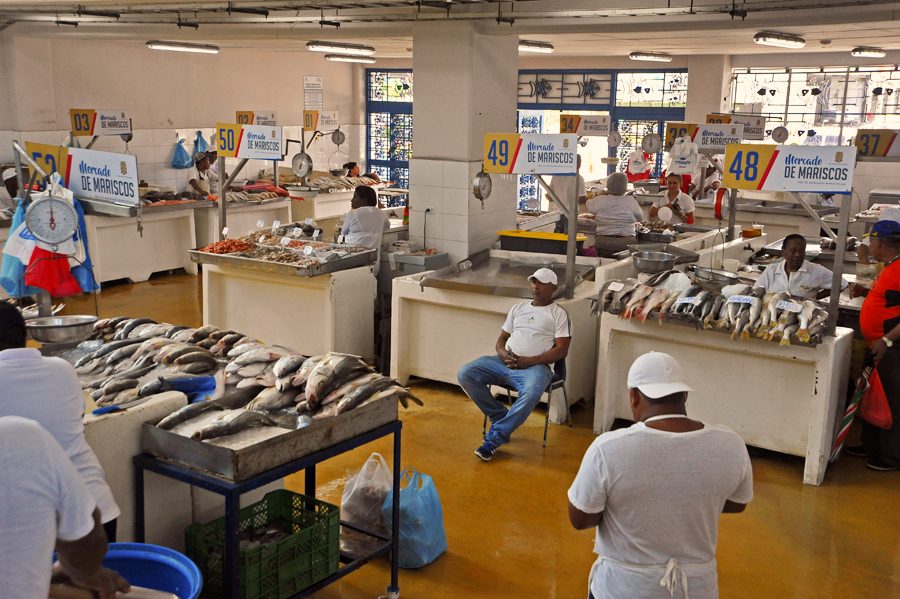
Farallón Fish Market
This local market provides insight into the daily catch brought in by artisanal fishermen, pairing well with the marine theme of your diving trip.
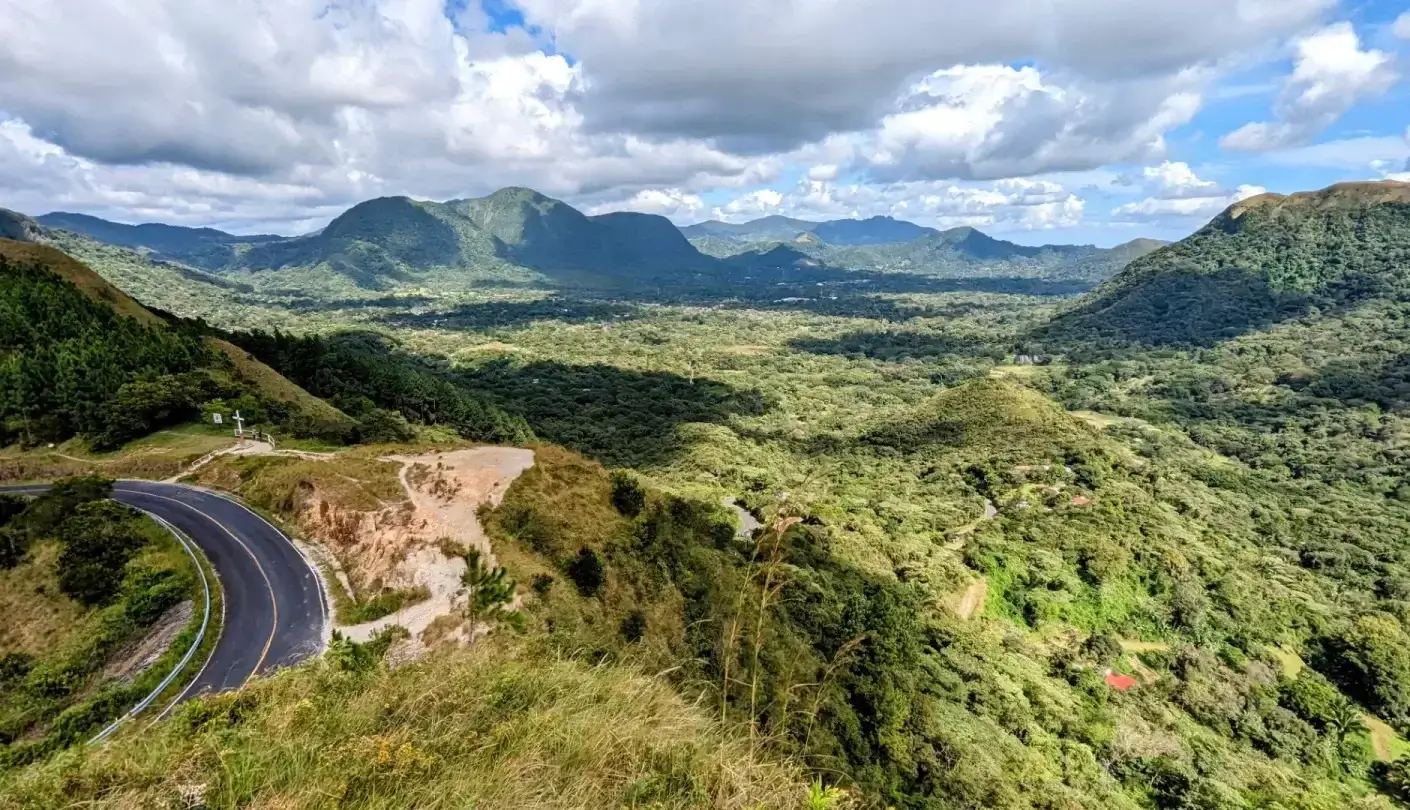
El Valle de Antón
Located in a volcanic crater, this mountain town offers thermal springs and a canopy tour that contrast the coastal climate of Playa Blanca.
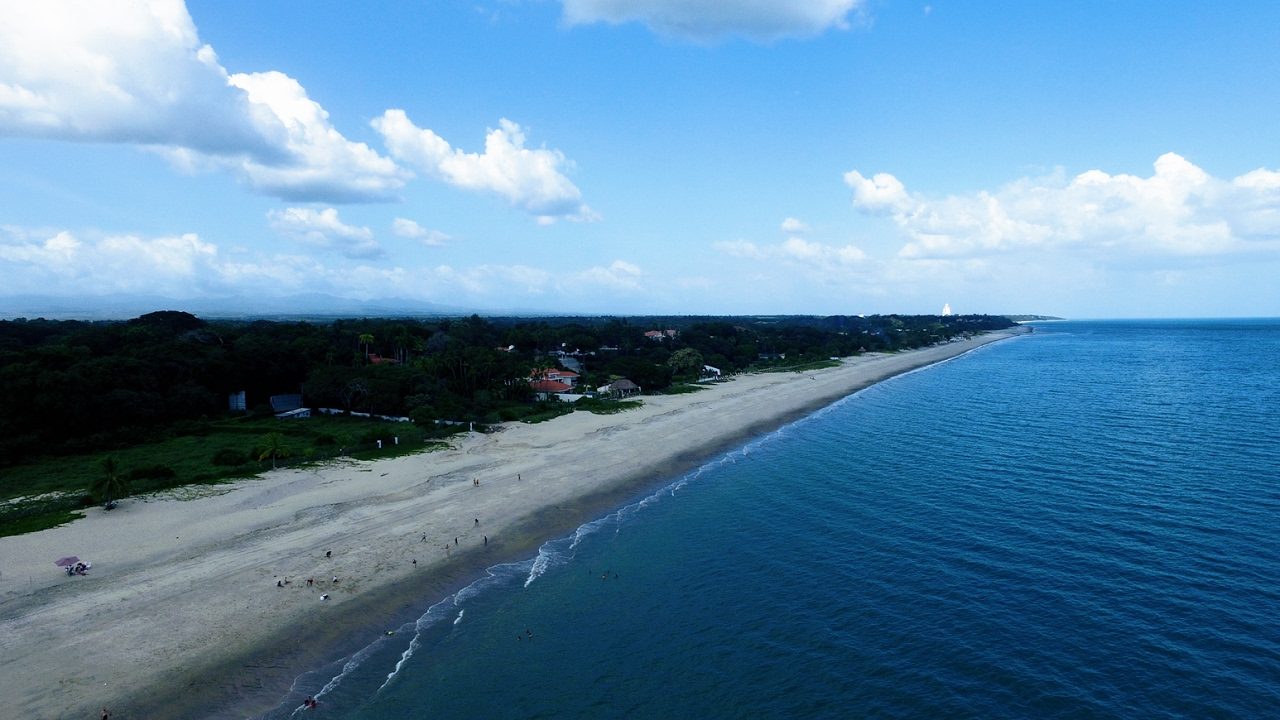
Santa Clara Beach
Adjacent to Playa Blanca, this stretch of coastline offers a similar white-sand environment for those interested in coastal walking or further shore observation.
Check availability
Frequently Asked Questions About Scuba Diving Playa Blanca Panama
Everything you need to know about scuba diving playa blanca panama